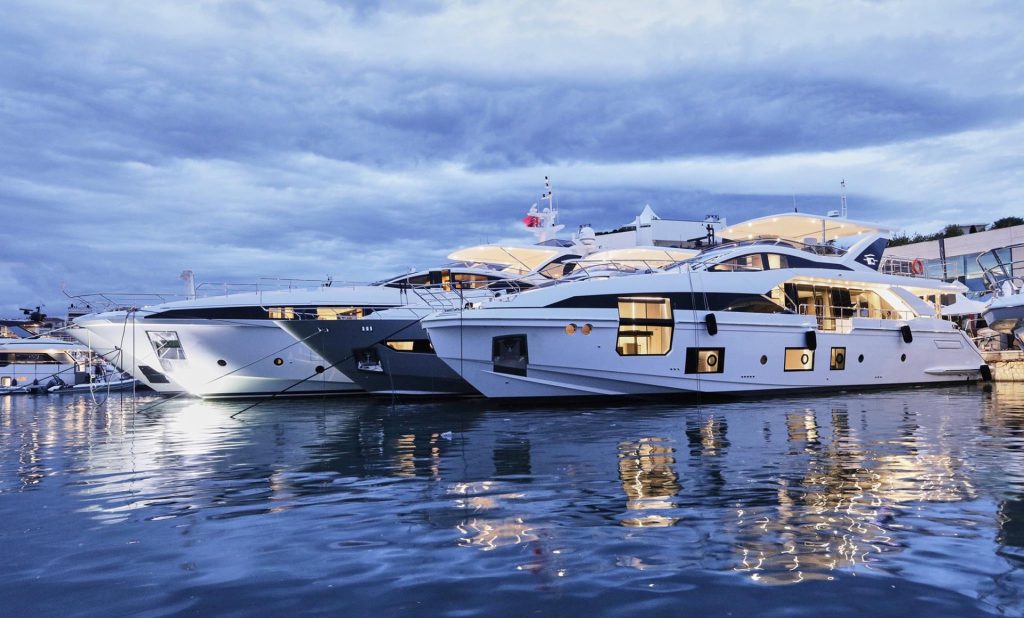
Choosing Your First Yacht: A Buyer’s Guide
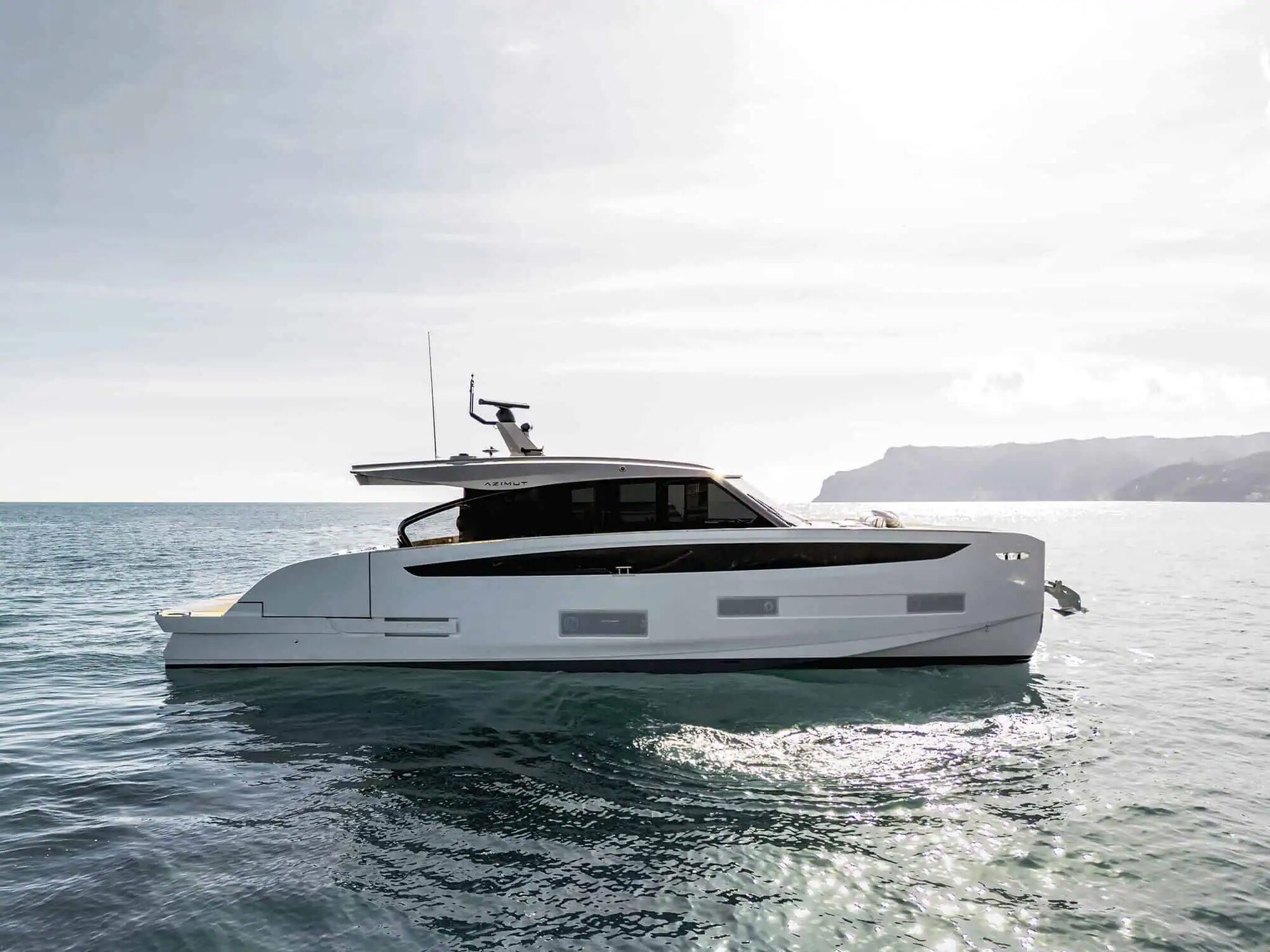
Almost every difficult first purchase starts the same way: with a model, rather than with a plan. The boat is chosen first and the life around it is fitted in afterwards, which is how people end up with a beautiful yacht they use six days a year.
Here is the order we recommend instead.
1. Start with the calendar, not the catalogue
Be specific and be honest about the next two years, not the fantasy version.
- Afternoons and day trips, mostly with friends, back to the marina at night — you want deck space, shade and shallow draft, not cabins.
- Weekends aboard, two or three couples, one or two nights out — now air conditioning, a generator, a real head and a proper galley stop being optional.
- Real passages, a week or more, moving between Colombia and Panama — range, sea-keeping, tankage and crew become the deciding factors.
Most first-time owners overestimate the third category and underestimate the first.
2. Choose how you will be propelled
This decision shapes cost, layout and servicing more than almost anything else.
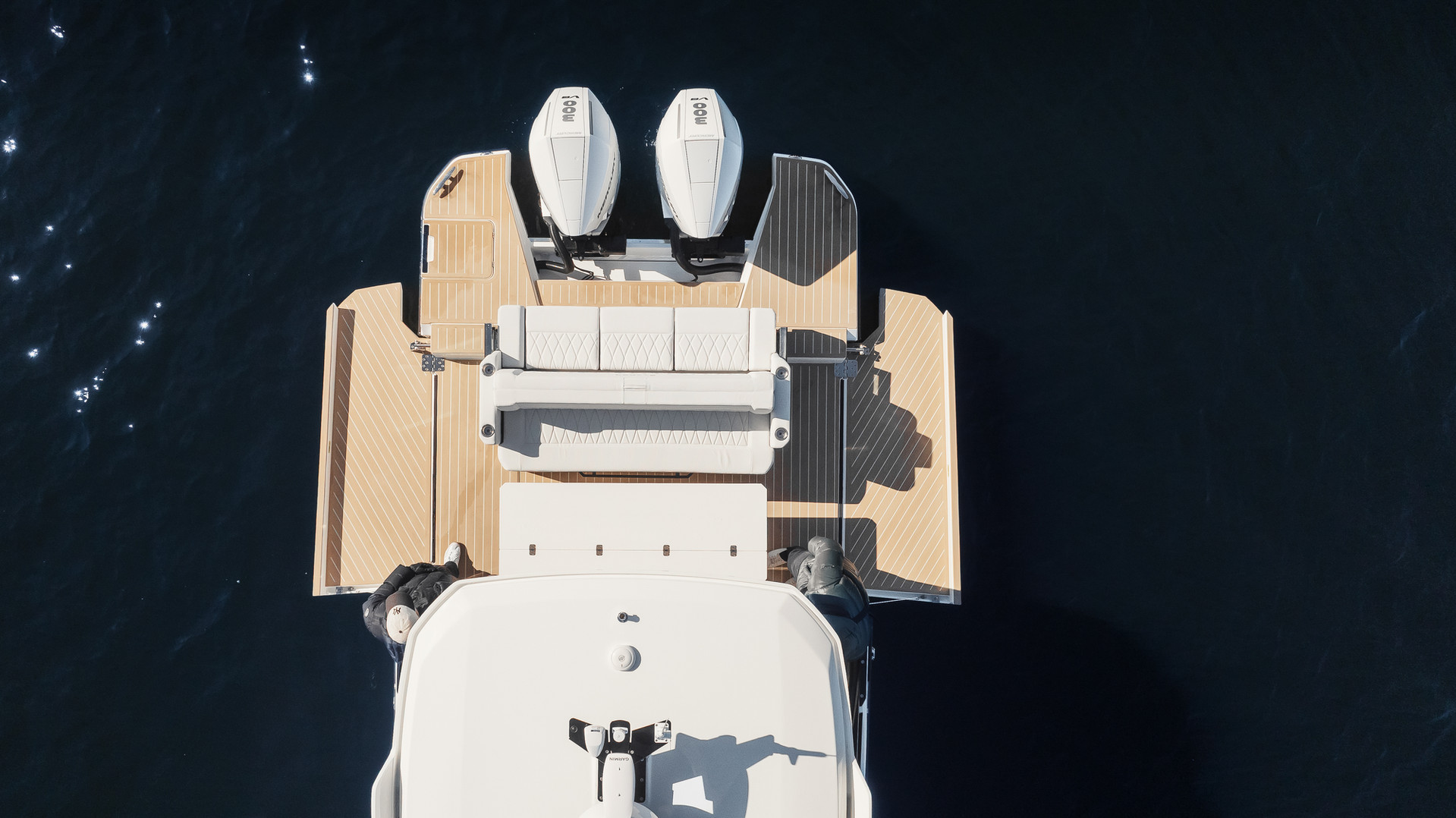
- Outboards — as on the Saxdor range. Simple, serviceable anywhere, no engine room eating into the accommodation, and shallow draft. Excellent up to around 45–50 feet.
- Pod drives (Volvo Penta IPS) — as on the Azimut Seadeck and Fly series. Efficient, quiet, and joystick docking makes a 60-footer manageable without crew. Servicing must be done properly and on schedule.
- Shaft lines (MAN, MTU) — as on the Magellano and Grande series. The choice above roughly 80 feet and for long-range work, with the robustness and the cost that implies.
3. Read the CE category
It appears on every specification sheet and most buyers skip it. It is one of the most useful lines there.
- Category A — ocean. Designed for extended offshore passages. The Azimut Seadeck 7 and 9, and the Magellano 25M and 30M, are category A.
- Category B — offshore. Designed for offshore-capable coastal cruising. The Saxdor 400 and 460, the Seadeck 6 and the Magellano 60 are category B — which comfortably covers Cartagena to the San Bernardo islands, or Panama City to Las Perlas.
- Categories C and D are inshore and sheltered waters respectively.
Category B is the right answer for most owners on this coast. Buying category A for a life spent within forty miles of a marina is paying for range you will not use.
4. Find the berth before the boat
On anything above roughly fifty feet, the berth is often harder to secure than the yacht — and it constrains length, beam and draft simultaneously. Draft is the one people forget: a Saxdor 400 draws 2.1 ft and can sit almost anywhere, while a Magellano 30M draws 6.75 ft and cannot. Confirm the berth, then sign.
5. Budget the season, not the sticker
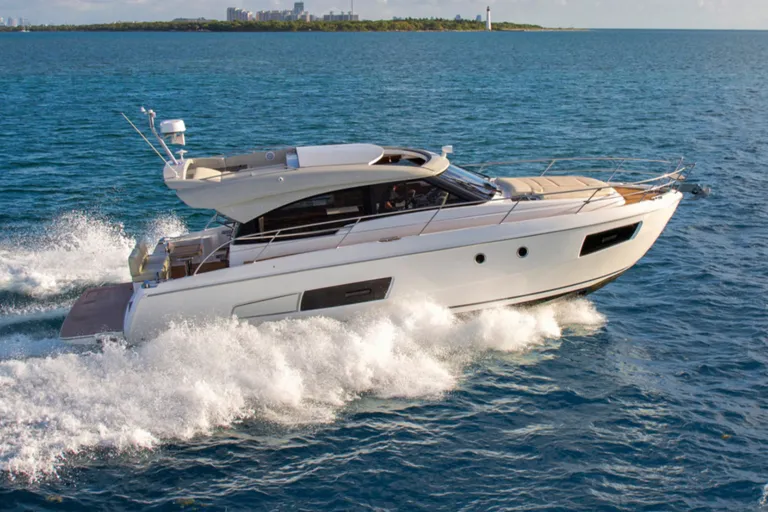
A realistic first-year budget includes the berth, insurance, annual haul-out and antifouling, scheduled servicing by engine hours, fuel, and crew if you want any. It should also include the things nobody quotes: canvas and covers, tender and outboard servicing, electronics subscriptions, and the small refit every boat asks for in its first season with a new owner.
A management programme is worth pricing at this stage rather than later — we set out what one covers in ownership, made effortless.
6. Buy the process, not just the boat
We begin by listening. Understanding how, where and with whom you plan to navigate is what lets us recommend a brand, a model and a configuration with any conviction — never a one-size-fits-all answer. Elite Yachts represents Azimut, Benetti, Saxdor, Bavaria Yachts and Bavaria Sail across Colombia and Panama, and our involvement continues well past delivery.
If a new build is not the right answer, a documented pre-owned boat often is. We cover that in the art of selection.
Talk it through first
The most useful conversation is the one before you have chosen a model. Write to ventas@elite-yachts.com or call +57 320 856 5010.